
Eras of Jacksonville Previous Residents
Start with the source closest to the date being studied. Jacksonville previous residents after the web cutoff can be traced through online deeds and current parcel data. Earlier work shifts to the clerk’s scanned holdings, public census schedules, a verified rural directory, probate, municipal files, and historical maps. Some sources establish owners. Others supply household or address context.
| Source | Years it covers | Where held | What it shows |
|---|---|---|---|
| Real-estate web index | 1994 to present | Pulaski County clerk website | Recorded parties and recent title chain |
| Clerk scanned land records | 1819 to 1993 | Real Estate research room | Earlier deeds, mortgages, and plats |
| Jacksonville municipal files | From incorporation in 1941 | City custodians | Planning, annexation, ordinances, and permits where retained |
| Federal census | Public through 1950 in 2026 | NARA and library databases | Households, tenure, and occupations |
| Pulaski rural directory | Based on 1952 | CALS, library use | Names, house and mailing addresses, mileage |
| Probate packets and index | 1819 to 1920 cataloged | County and FamilySearch route | Estates, heirs, and distribution clues |
No Jacksonville Sanborn edition or exact reverse-directory run was verified. Those gaps should remain gaps. The present parcel card is still the best first step because it provides the legal identity needed to move backward.
Start Jacksonville Past-Resident History
Enter the address through the Pulaski County Assessor route. Record the assessed owner, parcel number, situs address, mailing address, subdivision, lot and block, legal description, and any sale or book-page lead shown. Situs means the physical property location. The mailing address is only the destination for tax mail. Neither field, alone or together, names every resident.
The current parcel gives Jacksonville past-resident research a stable land key. Street numbers and names can change, but a legal description can persist through many transfers. The assessor receives recorded instruments each day for ownership maintenance, yet it cannot decide a title dispute. The deed remains the controlling evidence.
Note: Preserve the date of every parcel result because assessed ownership and mailing details can change after the search.
Trace Jacksonville Previous Residents
The Pulaski County chain of title is a sequence of recorded transfers affecting the same land. Begin with the current owner, then work from one purchase to the prior sale. A name match is never enough. Confirm the legal description, lot and block, book and page, or another parcel-specific fact each time.
- Open the current owner’s acquisition deed in the 1994-present web index. Confirm that the land description matches the Jacksonville parcel.
- Write down the grantor, the party who transferred the interest. The grantee is the party who received it.
- Search that seller as an earlier grantee. Find when the same party acquired the same legal description.
- Repeat the grantor-to-earlier-grantee loop. Keep an evidence table with names, roles, dates, instrument details, and land match.
- At the 1994 web boundary, continue through the Real Estate Department research room rather than declaring the chain complete.
- Grantor and grantee
- The grantor transfers an interest; the grantee receives it.
- Chain of title
- The linked sequence of recorded transfers for the same property.
- Legal description
- The land’s formal conveyance identity, often more durable than its street address.
- Book and page
- A pair of references that points to a recorded instrument in the clerk’s system.
Jacksonville Past-Resident Deeds Cross 1994
The central Jacksonville address-history myth is that scanned deeds must all be online. They are not. The Pulaski County Real Estate Department exposes web records from 1994 forward, while its scanned holdings extend to 1819. Earlier work uses two research computers in Room 102 at 401 W Markham Street.
Appointments are booked online for two-hour sessions Monday through Thursday at 8:15, 10:15, 12:15, or 2:15. A researcher may book no more than two per week. Phone and email cannot reserve a slot, though 501-340-8433 and realestate@pulaskiclerkar.gov can answer access or copy questions.
The clerk contact page is the source for department routing:
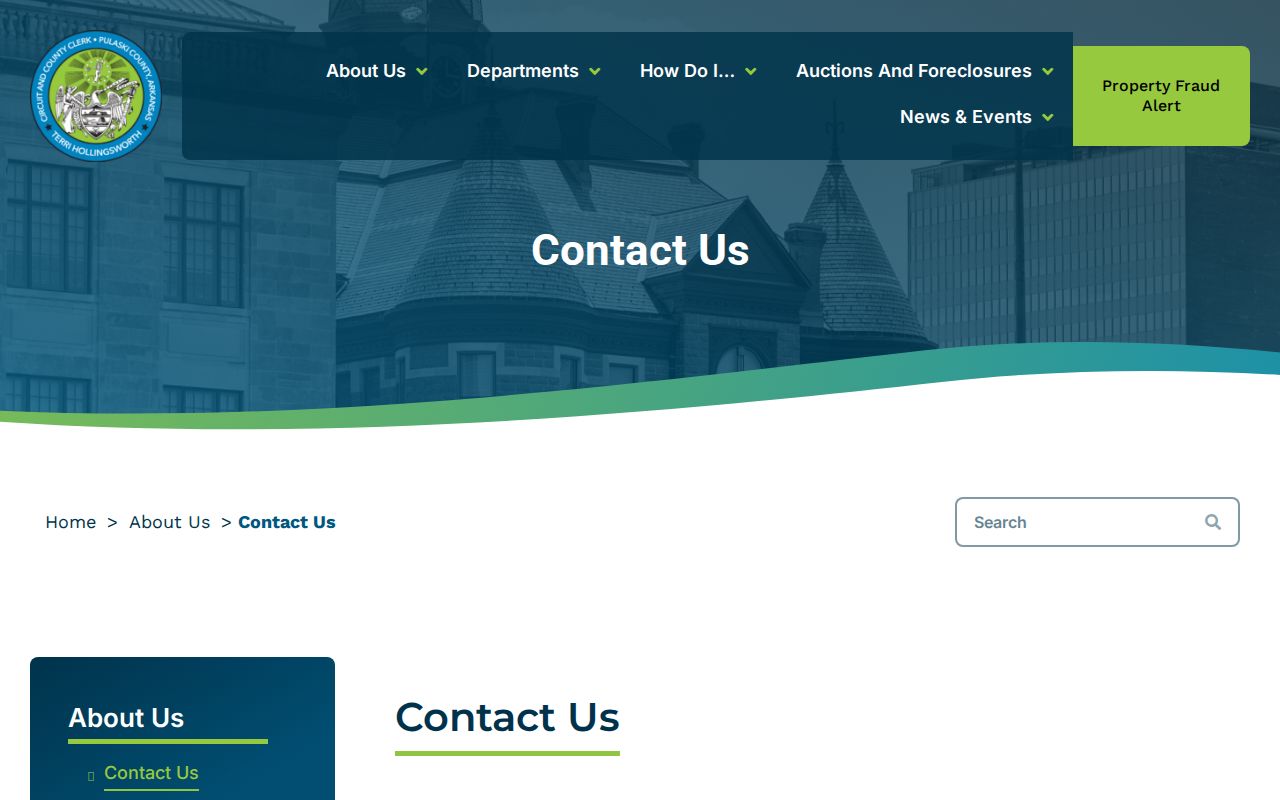
The captured contact route supports a planned research visit. Written copy orders also run through the county’s AccessGov directory. Published filing charges should not be mistaken for image-copy fees, which need confirmation.
Pair Jacksonville Resident History Sources
Deeds identify owners, not every person who lived at an address. Jacksonville previous-residents work gains a household layer by pairing the public 1950 census with the Pulaski County Rural Directory based on 1952. The directory’s verified fields include a person’s name, house address, mailing address, mileage, and other directory information. It covers people outside Greater Little Rock and has Jacksonville subject coverage.
- Find the land and likely household in the 1950 census, using nearby names and place clues when street numbering is weak.
- Check the 1952 rural directory for the same surname, house address, mailing address, or mileage clue.
- Compare both results with the deed owner and legal description. Treat disagreement as a clue, not an error to hide.
- Use the 1972 or 1985 Jacksonville maps held by UCA Archives to test street continuity near later directory years.
The pairing is unusually strong because the two sources sit close in time. The rural volume also falls between the 1950 census and the 1955 opening of Little Rock Air Force Base. Public 1960 census schedules do not open until 2032 under the 72-year rule.
Roberts Finds Past Jacksonville Residents
The CALS Roberts Library is the specialist local-history route for Jacksonville previous residents. Its resources include physical directories, maps, books, microfilm, and licensed newspaper databases. CALS confirms a noncirculating Jacksonville Phone Book and two library-use copies of the 1952-based rural directory, but the public catalog does not identify the phone book’s years or publisher.
The library landing page is a route to staff help and collections, not proof that a particular year exists. Call ahead and ask which volume covers the target date, whether it is arranged by name or address, and what copying limits apply. The local Nixon Library can provide public computers and staff routing, but specialist holdings may be at Roberts.
The collection details themselves belong on the Jacksonville city directories page. For one-address history, use the confirmed volume only after the land chain establishes which address form and period to test.
Probate Reconnects Jacksonville Resident Trails
A deed trail can appear to stop when an owner dies. Search probate for the estate, representative, and heirs, then look for a distribution deed, affidavit, or later instrument affecting the same legal description. FamilySearch cataloging identifies Pulaski County probate packets and an index from 1819 through 1920. Recent public cases belong to the state court portal and the Circuit Court clerk, subject to sealed or protected portions.
The Arkansas Judiciary gateway routes court research:
A court search result is an index, not the complete official file. Confirm the case number, court, dates, party role, and related land evidence with the clerk. Ordinary public access never opens sealed, juvenile, adoption, or other confidential material.
Search ARCourts began replacing Public CourtConnect in January 2024. The court migration help page explains that change:
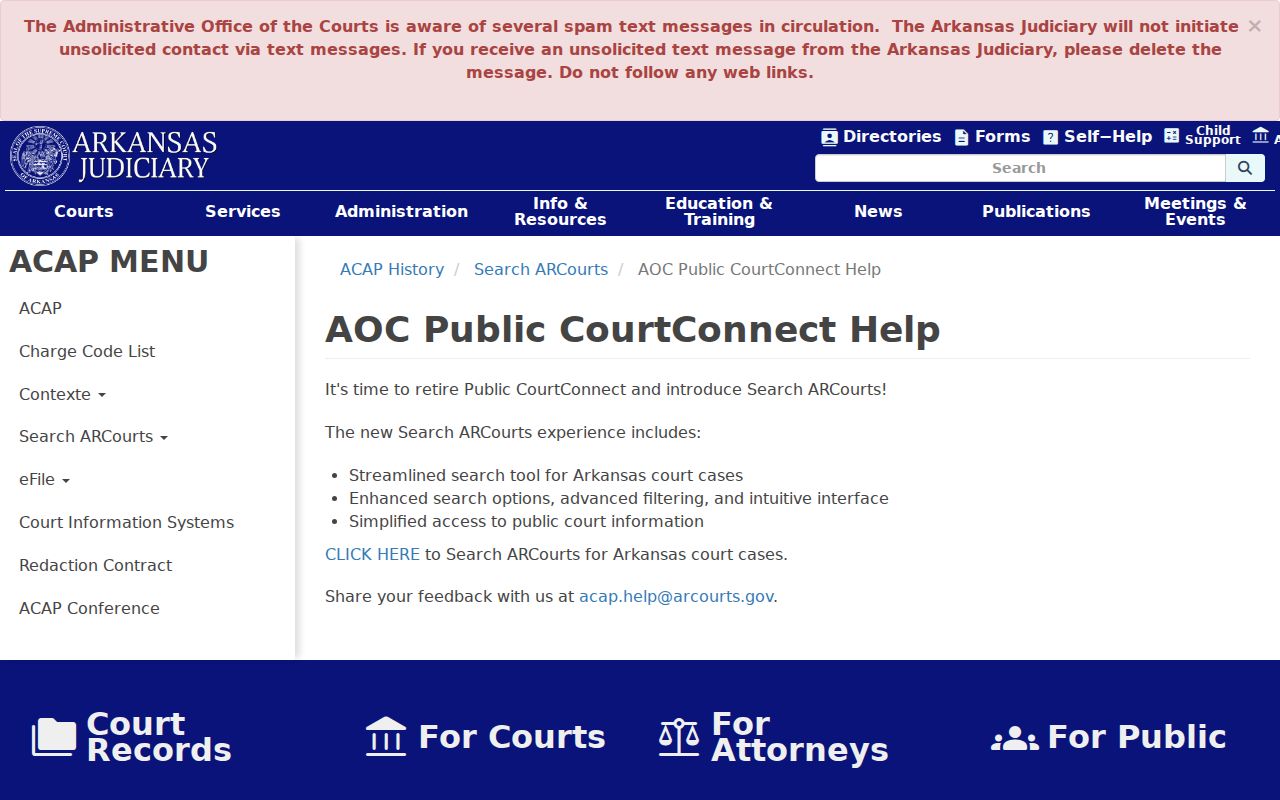
Old instructions may point to the retired route. Use the current portal, then contact the Pulaski Circuit Court clerk when the online index cannot answer a file-level question.
Jacksonville Past Residents and Federal Land
Jacksonville’s address history is not a smooth city series. Federal condemnation for the Arkansas Ordnance Plant drove rapid wartime change after incorporation. In 1952 and 1953, Little Rock Air Force Base land acquisition involved more than 150 owners. A private chain may end in public ownership, while a household may appear briefly in a directory, school, military, or newspaper record before moving.
County deeds remain the first source for the land transfer. If a genuine federal dispute or case becomes part of the trail, PACER is the federal court document system:
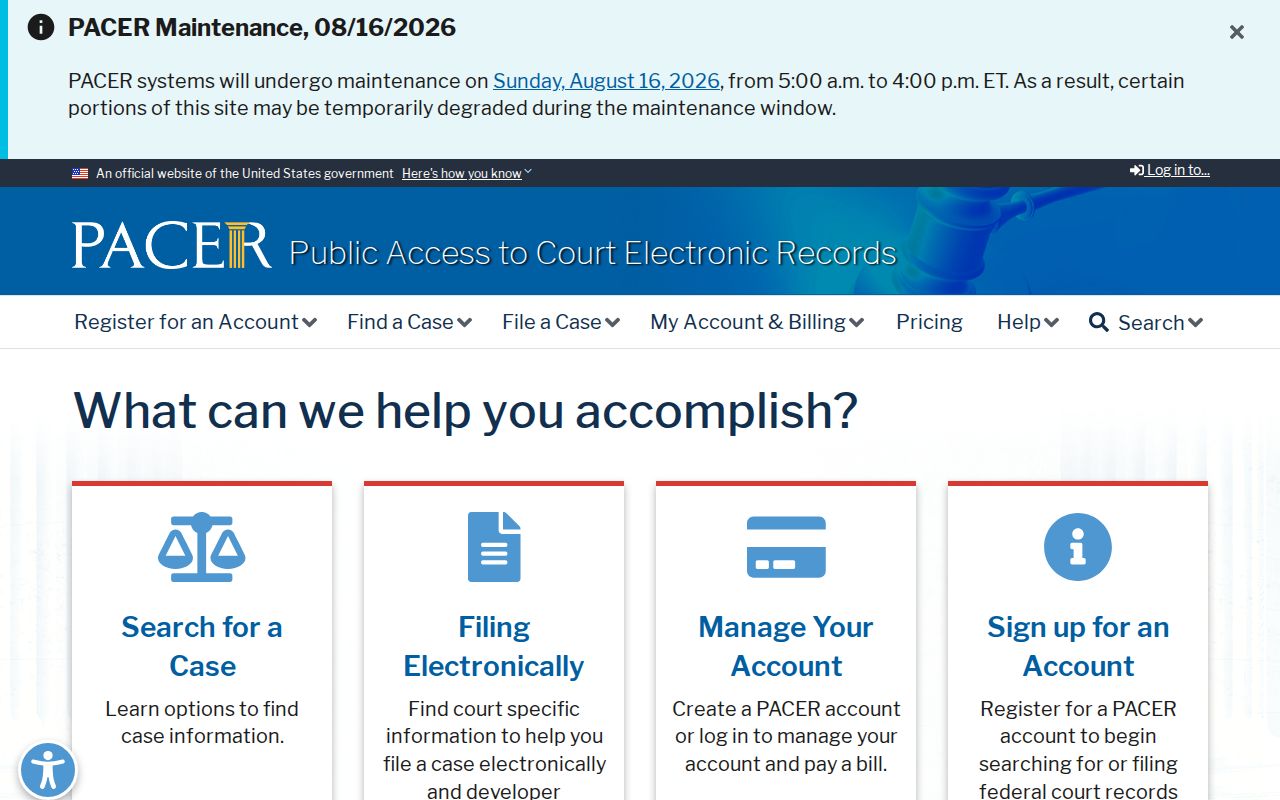
PACER is not an Arkansas deed index and should not be searched as a general resident list. Use it only when a cited federal case or acquisition question warrants that channel, then obtain certification from the federal clerk if needed.
The timing itself can solve a gap. Municipal records begin with Jacksonville’s 1941 incorporation, while the county land series reaches 1819. Before 1941, county deeds, probate, rural directories, census, churches, and newspapers carry more weight than a city archive.
Finish Jacksonville Resident Timelines
Planning packets can date a physical change and connect a project address to parcel, deed book and page, subdivision, lot and block, owner, or applicant. No public Jacksonville permit portal with an address query or verified coverage years was found, so ask the city custodian for a specific existing record. The Arkansas FOIA route can reach nonexempt files but cannot force staff to compile a custom history.
Obituaries and probate can then close a human trail. Moore’s Jacksonville Funeral Home reports more than 80 years of local service, and local funeral notices may supply aliases, relatives, service, and burial facts. Treat family-published details as leads and corroborate them with a deed, court record, census entry, or directory. No comprehensive official Jacksonville obituary or cemetery index was verified.
One address can therefore produce two timelines. The land line tracks legal ownership. The household line tracks people supported by census, directory, obituary, school, church, or other dated evidence. Keeping those lines distinct avoids turning a seller, heir, applicant, or tax-mail recipient into an unsupported resident claim.
Jacksonville Previous-Resident Limits
Some endings are real. A renter may never appear in a deed. A Jacksonville Phone Book year may not survive or may not cover the address. Young vital records, secure voter addresses, motor-vehicle data, and sealed court files remain restricted. Absence from one index does not prove that a person never lived there.
Lawful use. Research Jacksonville previous residents for family history, property history, estate work, or personal curiosity. Never use a record trail to stalk, harass, threaten, or harm a living person.
Label each conclusion with its source and date. “Assessed owner,” “deed party,” “census household member,” and “directory listing” mean different things. That discipline makes a past-residents timeline more useful and protects against the most common error: treating ownership as proof of occupancy.